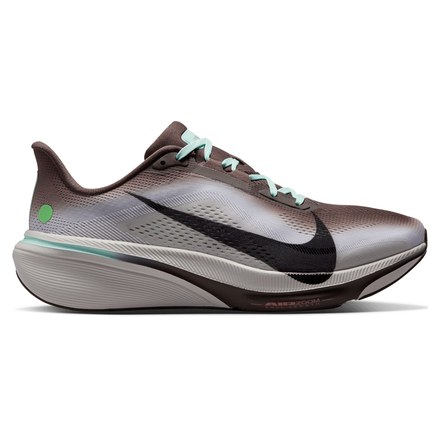
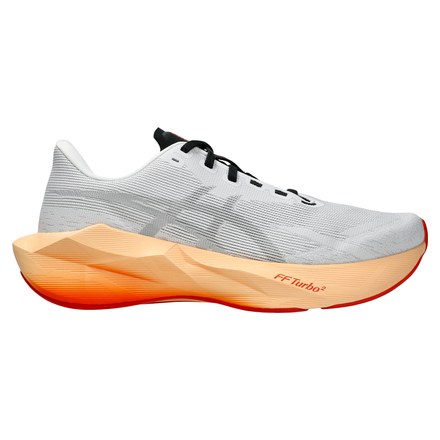
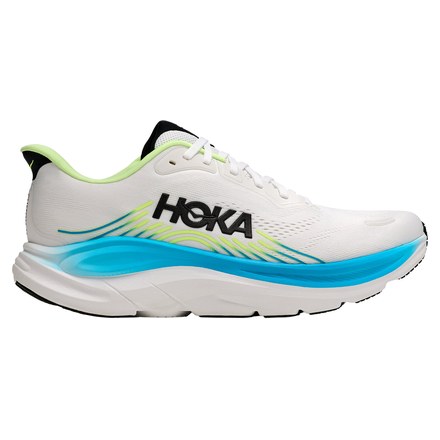
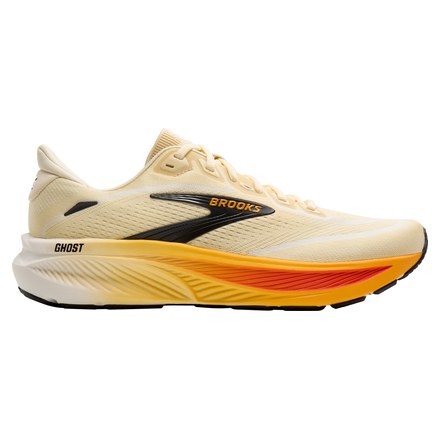
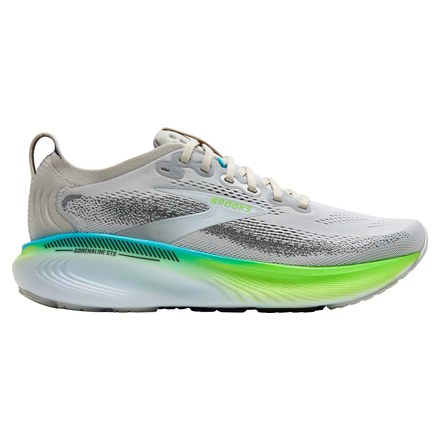
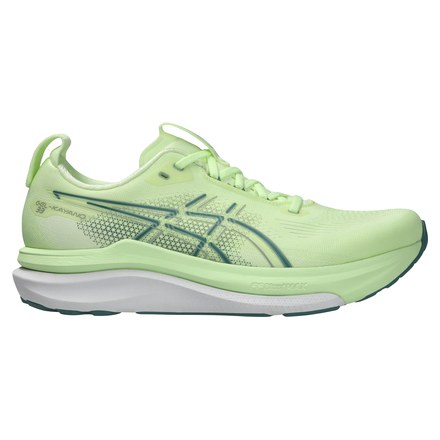
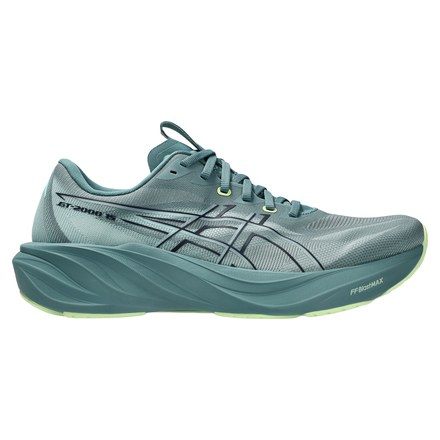
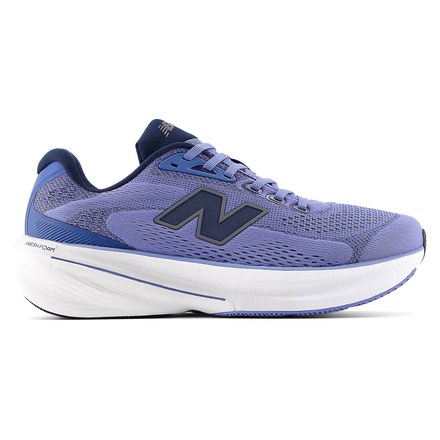
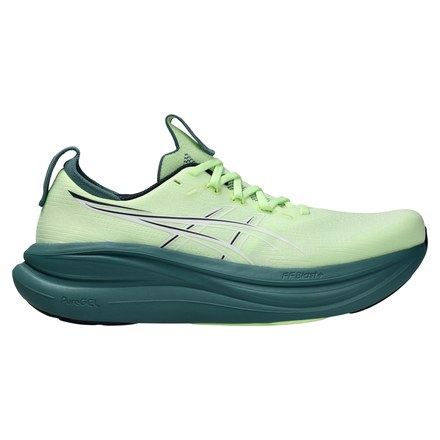
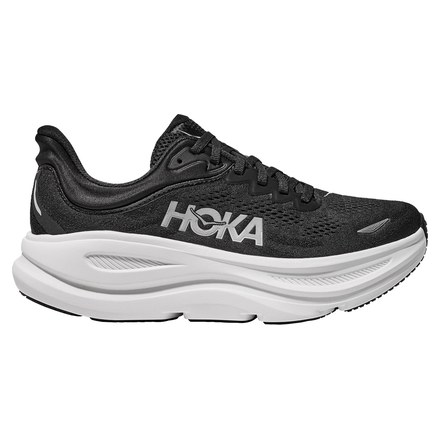
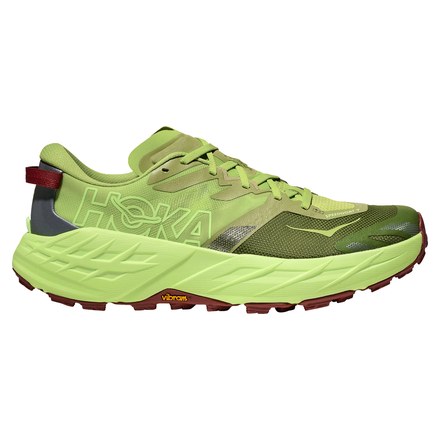
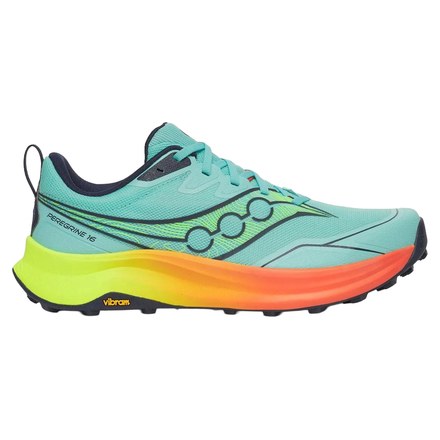
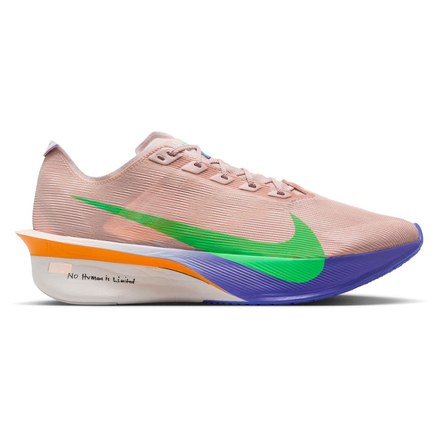
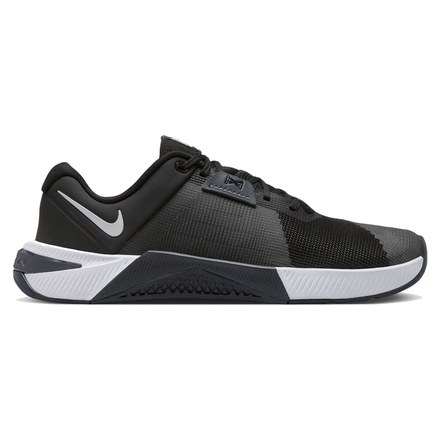
Filter by brand, technology, what the shoe is for and upper, and compare the models side by side. What each technology actually does – insole, midsole, outsole, waterproofing – is explained part by part on the technologies page.
Models
The menus below narrow the list by brand, technology, what the shoe is for and upper.
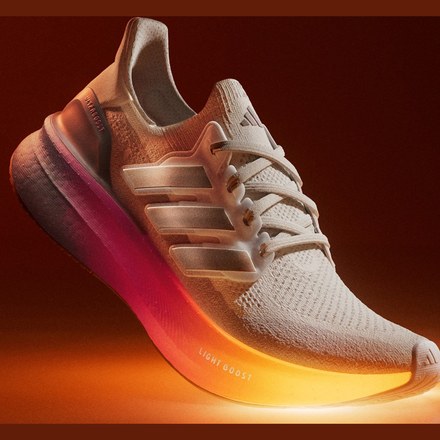
Stack height: 38 mm heel / 28 mm forefoot, 10 mm drop
Waterproofing: No
Pros
Boost does not go stiff in the cold, which matters here
Continental rubber holds on wet pavement
Comfortable enough to wear all day, not only to run in
Cons
Heavy for a running shoe at around 275 g
The knit upper soaks up rain and stays wet
What I think
More a comfortable shoe that runs than a running shoe. Excellent for easy miles and for standing about; there are lighter, livelier options if you want to go fast.
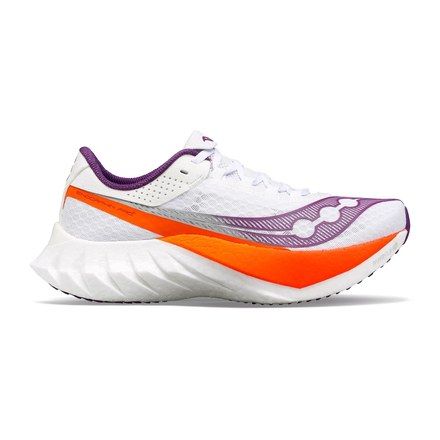
Stack height: 38.1 mm heel / 28.6 mm forefoot measured; Saucony states an 8 mm drop, measured 9.5
Waterproofing: No
Pros
Two different foams either side of the plate, which is unusual and works
Light for how much shoe it is – around 220 g
More forgiving at slower paces than most plated racers
Cons
The thin upper and 2.1 mm of outsole rubber are not built to last
Priced as race-day kit, and it wears like race-day kit
What I think
The plated racer that makes the most sense if you are not elite. The plate is there, but the shoe still behaves when you slow down – which is more than several of its rivals manage.
Stack height: 36.0 mm heel / 22.0 mm forefoot measured; Nike states 27 mm at the forefoot and a 10 mm drop, measured 14.0
Waterproofing: No
Pros
The default daily trainer: there is nothing it does badly
ReactX holds its feel through a long block of training
Two Zoom Air units add pop without making the shoe tippy
Cons
286 g is heavy for the amount of shoe you get
The measured drop is 14 mm, four above the 10 Nike prints on the box
A 22 mm forefoot is thin by the standards of everything else here
What I think
Still the shoe the whole category is measured against, and still the safe answer if you want one pair and no further decisions. Just know that the geometry on the box is not the geometry in the lab: this is a high-drop shoe sold as a moderate one.
Best for:Easy miles, long runs and the odd quick one
Upper: Engineered mesh
Stack height: 39.2 mm heel / 32.1 mm forefoot measured; Asics states an 8 mm drop, measured 7.1
Waterproofing: No
Pros
249 g under a 39 mm stack, which is light for this much foam
FF Blast Max is bouncy without feeling unstable for its height
Honest geometry: the measured drop is within a millimetre of the claim
Cons
The toebox tapers to 71.0 mm and will pinch a square foot
A stack this tall still rolls about on uneven ground
What I think
The one I would hand to somebody who wants a single pair for everything from easy miles to a tempo. It is the rare tall shoe that has not got heavy in the process.
Best for:Daily road miles with mild to moderate overpronation
Upper: Engineered mesh
Stack height: 36.1 mm heel / 25.9 mm forefoot measured; Brooks states a 10 mm drop, measured 10.2
Waterproofing: No
Pros
GuideRails sit idle until the heel rolls too far, then stop it
4.1 mm of outsole rubber, among the most durable here
The measured drop matches the claim to within 0.2 mm
Cons
295 g, and heavier than version 24 was
A 72.8 mm toebox is adequate rather than generous
What I think
The first stability shoe most running shops reach for, and with reason. It does not correct your gait: it limits how far the heel is allowed to go, and only when it goes too far.
Upper: Engineered mesh, offered in more than one width depending on the market
Stack height: 36.8 mm heel / 28.3 mm forefoot measured; Asics states an 8 mm drop, measured 8.5
Waterproofing: No
Pros
4.0 mm of outsole rubber under a shoe meant for high mileage
Soft foam on top of firmer foam, so the support is structural
The interior is 95.9 mm wide, a touch above average
Cons
298 g, the heaviest of the stability shoes here bar the 860
The toebox is conservative at 72.4 mm
What I think
Stability built into the shape of the shoe rather than bolted on as a wedge. It is heavy, and people keep buying it anyway, because it lasts and it does not argue with the foot.
Stack height: 38.2 mm heel / 30.0 mm forefoot measured; Asics states an 8 mm drop and the lab agrees
Waterproofing: No
Pros
252 g, which makes it one of the lightest stability shoes made
Three widths, including 2E and 4E
4.4 mm of outsole rubber, thicker than almost anything here
Cons
The standard width tapers to 71.3 mm at the toes
The 2E and 4E fittings come in very few colourways
What I think
If the Kayano feels like too much shoe, this is the same idea forty-six grams lighter. The widths are the reason to look at it before the rest of the shelf.
Best for:Soft, protected miles, and heavier runners
Upper: Engineered mesh, with a wide version in many countries
Stack height: 39.5 mm heel / 34.3 mm forefoot measured; Asics lists 43.5 mm at the heel and an 8 mm drop, measured 5.2
Waterproofing: No
Pros
278 g, seven per cent lighter than the 27
34.3 mm under the forefoot: very little reaches the foot
3.3 mm of rubber, which matters because the outsole coverage is sparse
Cons
The heel stack measures four millimetres short of the published figure
The real drop is 5.2 mm, not the stated 8
FF Blast+ is the old foam and feels like it
What I think
Maximum cushioning that has finally stopped gaining weight. Read the spec sheet carefully, though: this is a five-millimetre-drop shoe sold as an eight.
Best for:Mixed trail, firm paths and shorter off-road runs
Upper: Woven textile with a toe bumper
Stack height: 31.7 mm heel / 26.9 mm forefoot measured; Saucony states 32 mm and a 4 mm drop, measured 4.8
Waterproofing: No, though Saucony sells a GORE-TEX version
Pros
The closest match between claimed and measured numbers in this table
Vibram Megagrip on the outsole from this version onwards
Low enough that you can still feel what you are standing on
Cons
278 g, slightly up on the 15
2.0 mm of outsole rubber is thin for a shoe meant for rock
A 70.3 mm toebox, tapered for security rather than comfort
What I think
The sensible trail shoe: low, honest about its numbers, and now with the rubber it should have had years ago. If the Speedgoat feels like stilts, start here.
Stack height: 34.1 mm heel / 25.5 mm forefoot measured; Nike states a 6 mm drop, measured 8.6
Waterproofing: No
Pros
166 g, thirteen per cent lighter than the Vaporfly 3
34.1 mm keeps it comfortably inside the 40 mm rule
A 73.2 mm toebox, which is generous for a racing shoe
Cons
The measured drop is 8.6 mm against a claimed 6
2.3 mm of rubber: this is not a shoe you train in
The interior is 91.7 mm wide, snugger than the 3 was
What I think
The racer that came back down from marathon-only to anything over five kilometres. Save it for the start line, and the outsole will tell you soon enough if you do not.